

Ceramic rubber vulcanized plates, also known as ceramic rubber composite liners, are composite wear- and impact-resistant materials. By combining the high hardness of ceramics with the high elasticity of rubber, they deliver outstanding impact resistance and are widely used in material handling and impact-buffering applications in mining, metallurgy, ports, building materials, and other industries. Their impact resistance is not simply the sum of the properties of individual materials. Instead, it is achieved through scientific structural design and vulcanization technology, creating a synergistic effect of hard-surface protection and soft cushioning. This helps resist damage from material impacts and equipment vibration, extending equipment service life.
1. Core Advantages in Impact Resistance
The impact resistance ofceramic rubber vulcanized plates comes from the complementary properties of ceramic and rubber, combined with an integrated vulcanization process. This creates comprehensive performance superior to that of either material alone.
Buffering and force dissipation by the rubber layer: High-elasticity, high-toughness natural rubber or nitrile rubber (NBR) is used as the base. When material impact or equipment vibration is transmitted to the plate surface, the rubber layer undergoes elastic deformation, converting instantaneous impact force into elastic potential energy. It then releases that energy slowly as it recovers, greatly reducing the direct effect of impact force on underlying equipment such as chutes, hoppers, and conveyor belts. This prevents cracks and deformation caused by impact. In addition, the damping properties of rubber absorb vibration energy and reduce secondary vibration damage from impacts.
Hard-surface protection by the ceramic layer: The surface is embedded with alumina ceramic (or zirconia ceramic), which is extremely hard, with a Mohs hardness greater than 9. It not only resists material wear but also withstands the core impact pressure, preventing the rubber layer from tearing or falling off under excessive impact. The regular arrangement of ceramic blocks helps distribute localized impact force over a larger area, avoiding local damage caused by stress concentration and further improving overall impact stability.
Structural stability through integrated vulcanization: Through a high-temperature, high-pressure vulcanization process, ceramic and rubber achieve molecular-level bonding with no adhesive gaps, resulting in a tight and firm structure. Compared with traditional glued ceramic liners, vulcanized plates do not experience ceramic block detachment caused by impact or vibration. This prevents chain-reaction damage caused by localized detachment and ensures the continuity and reliability of impact resistance.
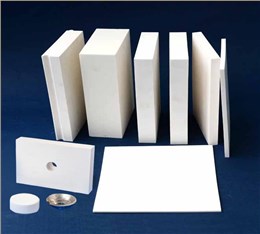 Ceramic Tile Liner
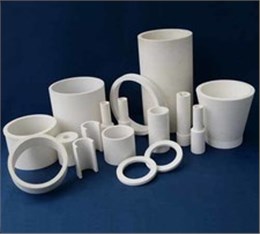 Alumina Ceramic Pipe Liner
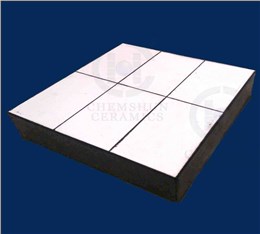 AL92 Ceramic Rubber Chute Liner
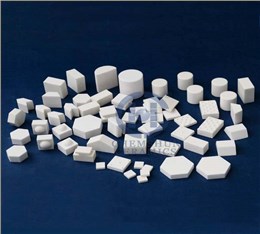 Wear Resistant Ceramic Liner